
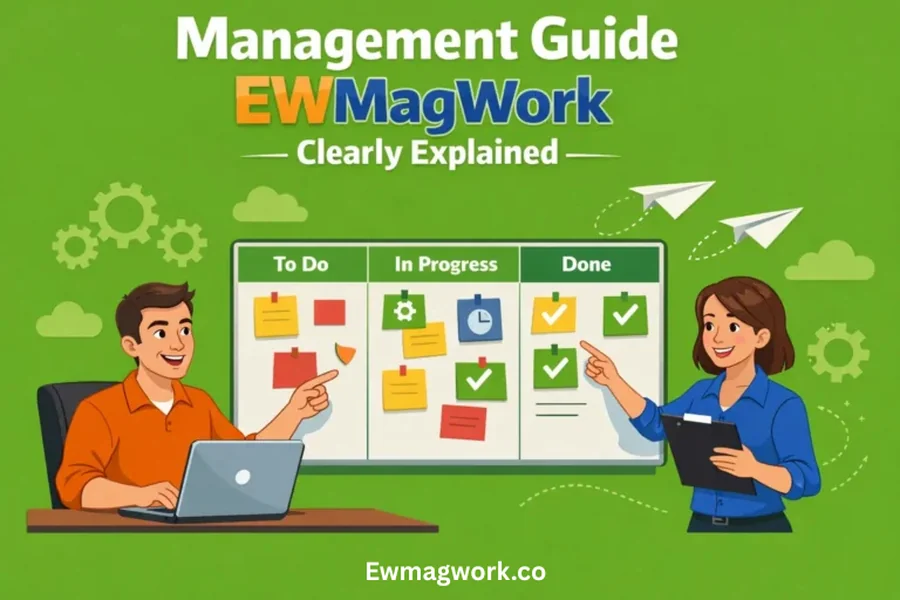
In the modern professional world, traditional office norms are rapidly changing. Companies now face challenges such as remote teams, digital tool overload, fluctuating productivity expectations, and employee disengagement. To address these challenges, a new concept has emerged: Ewmagwork.
Ewmagwork is quickly gaining attention from business leaders, HR professionals, and organizations worldwide. But what exactly is Ewmagwork? How does it work, and why is it becoming essential in today’s work culture? This guide provides a complete overview of Ewmagwork — from its core principles to implementation strategies, benefits, challenges, and future trends.
What Is Ewmagwork?
At its core, Ewmagwork is a workplace management philosophy and structured workflow framework. It brings together people, processes, technology, and workspace design into one integrated system aimed at improving productivity and collaboration.
Unlike traditional models that focus on hours worked or office presence, Ewmagwork emphasizes how work is done, outcomes, and employee well-being. It aims to create an environment where teams collaborate effectively, managers lead with empathy, and organizations thrive in hybrid or distributed work models.
Simply put, Ewmagwork is about working smarter, not harder, while balancing flexibility, accountability, and efficiency.
Why Ewmagwork Is Important
The way we work has changed dramatically in recent years:
- Hybrid and remote work are now mainstream.
- Employees expect flexibility, purpose, and recognition.
- Organizations struggle with communication, productivity, and maintaining culture.
- The sheer number of digital tools can overwhelm teams.
Ewmagwork addresses these issues by providing clarity and structure. Instead of simply digitizing outdated processes, it blends flexibility with accountability, focusing on outcomes rather than presence. This makes it especially relevant in 2026 and beyond.
Core Principles of Ewmagwork
While definitions may vary slightly, most experts agree that Ewmagwork revolves around several key principles:
1. People-Centered Leadership
The foundation of Ewmagwork is leadership that prioritizes trust, empathy, and clear communication. Leaders act as mentors, coaches, and facilitators rather than controllers.
Traits of Ewmagwork leadership include:
- Emotional intelligence
- Transparent communication
- Empowering teams with autonomy
- Regular feedback and recognition
This approach increases engagement, morale, and overall productivity.
2. Integrated Technology and Smart Tools
Technology is essential, but only if it enhances workflows rather than causing fragmentation. Ewmagwork emphasizes:
- Unified communication platforms
- Workflow visualization tools
- Automation of repetitive tasks
- Analytics for data-driven decisions
The goal is to reduce wasted time and enable teams to focus on value creation.
3. Transparent Workflows
Clear and visible processes are critical to avoid confusion and ensure accountability. Ewmagwork encourages:
- Clearly defined roles
- Shared tasks and timelines
- Visual dashboards
- Early identification of bottlenecks
Transparency fosters collaboration, reduces misunderstandings, and accelerates project delivery.
4. Flexibility and Adaptable Policies
Rigid 9-to-5 schedules are no longer effective. Ewmagwork promotes structured flexibility, allowing employees to choose their work environment while aligning with organizational goals.
Benefits include better work-life balance, higher retention rates, and improved team morale.
5. Continuous Feedback and Improvement
Instead of annual reviews, Ewmagwork focuses on continuous feedback through:
- Regular one-on-one check-ins
- Peer feedback systems
- Real-time performance tracking
- Development-focused conversations
This approach helps teams learn, adapt, and innovate faster than traditional evaluation cycles.
How Ewmagwork Works: Step-by-Step
Implementing Ewmagwork requires planning and coordination across leadership, team structures, and tools. Here’s a step-by-step approach:
Step 1: Organizational Assessment
Evaluate current workflows, tools, communication practices, and productivity bottlenecks. This assessment forms the foundation of the improvement roadmap.
Step 2: Define Objectives and Metrics
Set clear, outcome-based goals aligned with organizational priorities. Metrics may include:
- Cycle time for projects
- Employee engagement scores
- Customer satisfaction
- Revenue growth linked to productivity
Step 3: Implement Technology Platforms
Choose tools that integrate well across functions and are user-friendly. Examples include project management dashboards, communication platforms, and analytics tools.
Step 4: Align Team Structures
Ensure teams have:
- Clear roles
- Balanced workloads
- Shared planning and review sessions
Regular check-ins and alignment meetings maintain productivity and clarity.
Step 5: Foster Feedback and Continuous Improvement
Build a feedback culture where employees feel safe to share insights, learn from mistakes, and continuously improve their processes.
Benefits of Ewmagwork
Organizations adopting Ewmagwork principles experience multiple benefits:
1. Increased Productivity
Clear workflows and integrated tools allow teams to focus on results rather than coordination challenges.
2. Enhanced Employee Well-Being
Flexible policies, transparent communication, and supportive leadership reduce burnout and improve satisfaction.
3. Better Collaboration
Teams work more effectively with shared goals, transparent processes, and visible progress tracking.
4. Cost Efficiency
Optimized workflows and workspace utilization lead to operational savings and better ROI on technology investments.
Challenges in Implementing Ewmagwork
While highly beneficial, Ewmagwork implementation comes with challenges:
1. Resistance to Change
Employees accustomed to traditional ways may resist new methods. Change management and clear communication are essential.
2. Technology Overload
Too many tools can cause confusion. Selecting the right tools and training teams effectively is critical.
3. Leadership Alignment
Managers must embrace coaching, trust, and empowerment. Leadership resistance can hinder the framework’s success.
Real-World Applications of Ewmagwork
Ewmagwork principles can be applied across industries:
- Technology Teams: Align remote and office workflows.
- Marketing Departments: Use integrated dashboards to track campaigns.
- Project Management: Automate repetitive tasks to focus on strategic work.
- Product Development Teams: Set outcome-driven goals and KPIs.
These examples demonstrate Ewmagwork’s flexibility and relevance across different sectors.
Future Trends in Ewmagwork
The future of Ewmagwork is closely tied to emerging workplace technologies and trends:
AI-Driven Productivity
AI tools will forecast workload, predict burnout, and recommend workflow improvements.
Smart Office Integration
IoT-enabled systems will optimize physical workspace usage.
Remote-First Ecosystems
As remote work grows, Ewmagwork’s flexible principles will become increasingly essential.
Conclusion
Ewmagwork represents a modern, human-centric approach to work. By combining people-focused leadership, smart technology, transparent workflows, flexible policies, and continuous feedback, Ewmagwork helps organizations achieve higher productivity, employee satisfaction, and adaptability.
In 2026 and beyond, Ewmagwork will remain a critical framework for companies seeking to thrive in a dynamic and digital-first world. By embracing its principles, organizations can create smarter, happier, and more effective workplaces.
